
Weight loss is far more complex—and fascinating—than "calories in, calories out." From the surprising role of sleep to how your gut bacteria influence your waistline, these 15 facts reveal the science behind shedding pounds and why some strategies work better than others.
#1: You Burn Calories While You Sleep

Your body doesn't stop working when you hit the pillow. During sleep, you're burning calories through basal metabolic rate—the energy your organs and tissues need just to function. In fact, you might burn 300–500 calories during a full eight-hour night's sleep, depending on your age, weight, and metabolism. This is why poor sleep actually sabotages weight loss: when you're sleep-deprived, your hunger hormones go haywire, making you crave more food the next day.
#2: Drinking Water Before Meals Reduces Calorie Intake
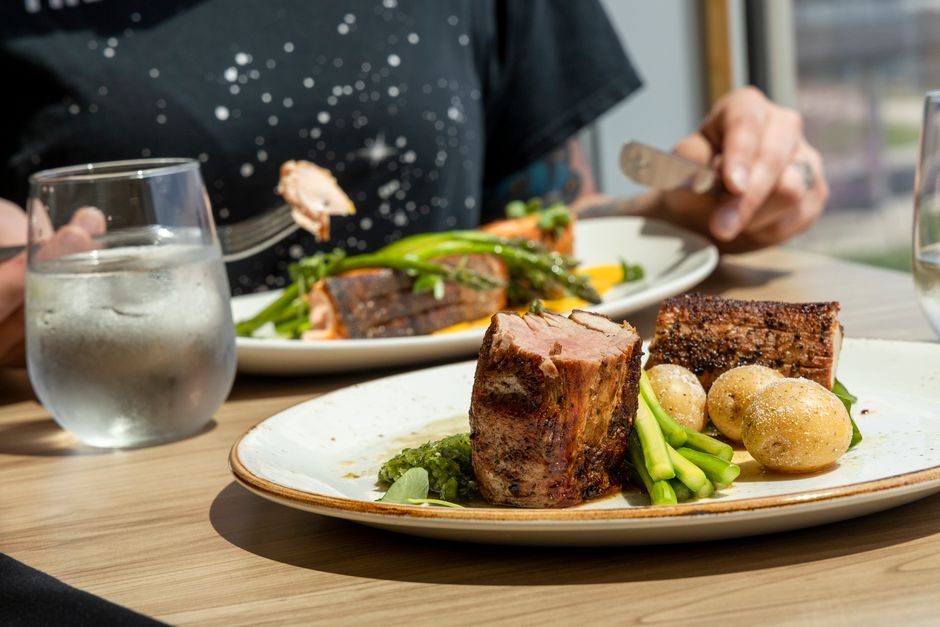
You've probably heard "drink more water," but the timing matters. Studies show that when you drink about 16 ounces of water roughly 30 minutes before eating, you consume fewer calories at that meal—sometimes up to 13% less. This happens because water fills your stomach, triggering satiety signals to your brain before you've actually eaten. It's a simple, zero-calorie hack that can add up to meaningful weight loss over time without any dietary restrictions.
#3: Your Gut Bacteria Influence Your Weight

The trillions of microorganisms living in your digestive system aren't just passengers—they actively influence how you gain or lose weight. People with obesity tend to have different bacterial compositions than people at a healthy weight. These microbes affect how efficiently your body extracts calories from food, regulates appetite hormones, and stores fat. Improving your gut health through fermented foods, fiber, and probiotics might genuinely help you shed pounds by optimizing your microbial ecosystem.
Advertisement
#4: Green Tea Can Boost Your Metabolism

Green tea contains a compound called EGCG (epigallocatechin gallate) that works with caffeine to increase fat oxidation and thermogenesis—the calories your body burns to produce heat. Research suggests that regularly drinking green tea might boost your metabolic rate by 3–5%, which translates to burning an extra 60–100 calories daily. While it's no magic bullet, adding a cup or two of green tea to your routine is an effortless way to support your weight loss efforts.
#5: Muscle Tissue Burns More Calories Than Fat

Your muscle is metabolically active; your fat is not. One pound of muscle tissue burns roughly 6 calories per day at rest, while one pound of fat burns only 2 calories per day. This might sound small, but if you build just 5 pounds of muscle through resistance training, you'd burn an extra 20 calories daily—nearly 7,000 extra calories per year. This is why incorporating strength training into your routine matters far more than just running on a treadmill.
#6: Eating Too Few Calories Backfires

Crash diets feel logical—eat less, lose more. But your body is smarter than that. When you drastically cut calories below your basal metabolic needs, your metabolism slows down to conserve energy. You also lose muscle tissue along with fat, which further decreases your calorie-burning capacity. Plus, extreme restriction triggers intense cravings and often leads to binge eating. A moderate, sustainable deficit of 500 calories per day is far more effective than starving yourself into submission.
Advertisement
#7: Spicy Food Temporarily Boosts Metabolism
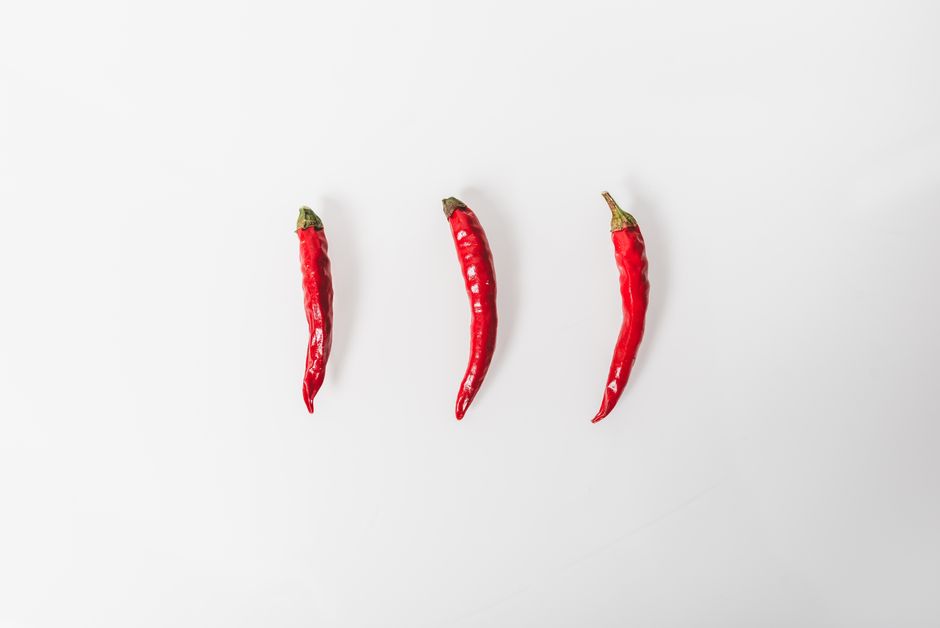
Capsaicin, the compound that makes chili peppers hot, triggers a small temporary increase in thermogenesis and fat oxidation. Eating spicy food can boost your metabolic rate by 5–30% for several hours after consumption. While this effect is modest and temporary, adding cayenne, jalapeños, or hot sauce to your meals is a calorie-free way to nudge your body toward burning slightly more energy. Over months and years, these small boosts compound.
#8: Protein Requires More Energy to Digest Than Carbs

Your body burns calories just breaking down the food you eat—an effect called the thermic effect of food. Protein is the most thermogenic macronutrient: your body burns about 20–30% of protein calories during digestion, compared to just 5–10% for carbs and 0–3% for fat. This is why high-protein diets are so effective for weight loss. Aim to include lean protein at every meal—chicken, fish, Greek yogurt, tofu, or legumes—and you'll boost your calorie burn while staying fuller longer.
#9: Intermittent Fasting Affects Hormones, Not Just Calories

Intermittent fasting (eating within a restricted time window) works partly because it reduces overall calorie intake, but it also shifts hormone levels. Extended fasting periods increase insulin sensitivity, lower insulin levels, and may boost growth hormone production. These changes make it easier for your body to access fat stores for energy. While intermittent fasting isn't magical, some people find it far easier to stick to than counting calories all day, which is why it can be so effective for weight loss.
Advertisement
#10: Walking Burns Surprising Amounts of Calories

You don't need intense workouts to lose weight. A 150-pound person walking at 3.5 miles per hour burns about 240 calories per hour. Add that up: just one hour of daily walking burns roughly 1,680 calories per week, which amounts to about half a pound of fat loss weekly (assuming your diet stays the same). Walking is low-impact, sustainable, and you can do it anywhere, making it one of the most underrated weight-loss tools available.
#11: Your Brain Can Take 20 Minutes to Register Fullness

Hunger and satiety signals travel from your gut to your brain, but there's a lag. It takes roughly 15–20 minutes for your brain to register that you're full. This is why eating slowly—putting your fork down between bites, chewing thoroughly, avoiding screens—actually helps you eat less. You'll naturally consume fewer calories if you give your satiety signals time to catch up, without requiring willpower or restriction. Slow eating is one of the easiest behavioral changes for weight loss.
#12: Fiber Helps You Feel Fuller Longer

Dietary fiber doesn't get digested like other carbs; it passes through your system largely intact. This means it adds bulk to your meals, slows gastric emptying, and keeps you feeling satisfied for hours. A high-fiber diet also stabilizes blood sugar and feeds beneficial gut bacteria. Aim for 25–35 grams daily from whole grains, vegetables, fruits, and legumes. People who eat high-fiber diets naturally tend to consume fewer calories overall, making weight loss easier without feeling deprived.
Advertisement
#13: Cold Exposure Activates Brown Fat Burning

Most of your body fat is "white fat," which stores calories. But you also have "brown fat," which burns calories to generate heat—a process called thermogenesis. Cold exposure activates brown fat. Regular exposure to cold (even something as simple as taking a cold shower or spending time in a cool room) can increase brown fat activity and boost calorie burning. While you shouldn't obsess over it, occasional cold exposure is a legitimate metabolic tool that requires zero effort.
#14: Stress Hormones Can Increase Belly Fat Storage

Chronic stress elevates cortisol, a hormone that promotes fat storage, particularly around your midsection. High stress also increases your appetite, disrupts sleep, and makes you crave sugary, calorie-dense comfort foods. Even if your calorie intake stays the same, living under constant stress can shift where your body deposits fat—and make it harder to lose. Managing stress through meditation, exercise, or therapy isn't just good for your mental health; it's actually essential for effective weight loss.
#15: Your Metabolism Speeds Up When You Exercise Regularly

Chronic exercise doesn't just burn calories during the workout itself. Regular physical activity increases your baseline metabolic rate, meaning you burn more calories even at rest. This happens because your muscles adapt to activity, build mitochondria (the energy-burning powerhouses in cells), and increase metabolic enzymes. Someone who exercises consistently might burn 200–300 extra calories daily at rest compared to a sedentary person of the same size. Start exercising now, and your body becomes a more efficient calorie-burning machine.
Weight loss is deeply personal and multifaceted—these facts show why cookie-cutter diets so often fail. By understanding the science behind your body, you can make smarter choices that actually stick.
Advertisement