
Your VA loan benefit is one of the most powerful financial tools available—but most veterans leave money on the table because they don't know what they're missing. We've uncovered 15 little-known advantages that could transform your homeownership journey.
#1: You Can Refinance Multiple Times Without Penalty

Here's what many vets don't realize: there's no limit on how many times you can refinance your VA loan. If interest rates drop again in five years, you can use your benefit again to lock in better terms—completely free. No appraisal required for a VA-to-VA streamline refinance, which means you're not paying for that again. This flexibility lets you capitalize on market shifts that traditional borrowers can't touch without significant out-of-pocket costs.
#2: Your VA Loan Doesn't Expire at Retirement

You might think your VA benefit has an age cutoff, but it doesn't. You can use your full entitlement at 65, 75, or even 85 if you're still eligible. This is game-changing if you're planning a late-career relocation or downsizing in retirement. Many veterans assume they 'missed their window,' but as long as your discharge is honorable and you have available entitlement, you're good to go—no expiration date whatsoever.
#3: You Can Buy a Multi-Unit Property (Up to Four Units)

Most people think VA loans are only for single-family homes, but you can actually purchase up to a four-unit residential property with your VA benefit. That means you could live in one unit and rent out the other three to cover your mortgage—essentially letting tenants pay your home loan. This strategy works especially well in growing markets where rental demand is strong and you have the cash flow to manage the property.
Advertisement
#4: No Prepayment Penalties Ever

Unlike some conventional loans, your VA loan has absolutely zero prepayment penalties. If you want to pay off your entire mortgage in five years or make extra principal payments every month, you can do it without any financial consequence. This gives you the freedom to accelerate your payoff timeline whenever your financial situation improves—something borrowers with other loan types often can't do without eating fees.
#5: Certificate of Eligibility Lasts Forever (Sort Of)

Your Certificate of Eligibility doesn't expire, but your entitlement can be reduced if you've used it before or had a prior VA loan that wasn't paid off. However, you can restore your full entitlement if you pay off an old VA loan or sell a property you financed with VA benefits. Many veterans don't know this restoration option exists, which means they think they're stuck with partial benefits when they could actually reclaim their full amount.
#6: Disability Compensation Doesn't Count Against Your Debt Ratio

If you're a disabled veteran receiving monthly disability compensation, lenders cannot count it against your debt-to-income ratio when underwriting your VA loan. This is a massive advantage: your $2,500/month VA disability payment boosts your qualifying income without adding to your debt calculation. For borrowers on the edge of approval, this exclusion can be the difference between getting denied on a conventional loan and getting approved for a larger VA mortgage.
Advertisement
#7: You Can Buy a Condo Without the Strict Reserves Requirement
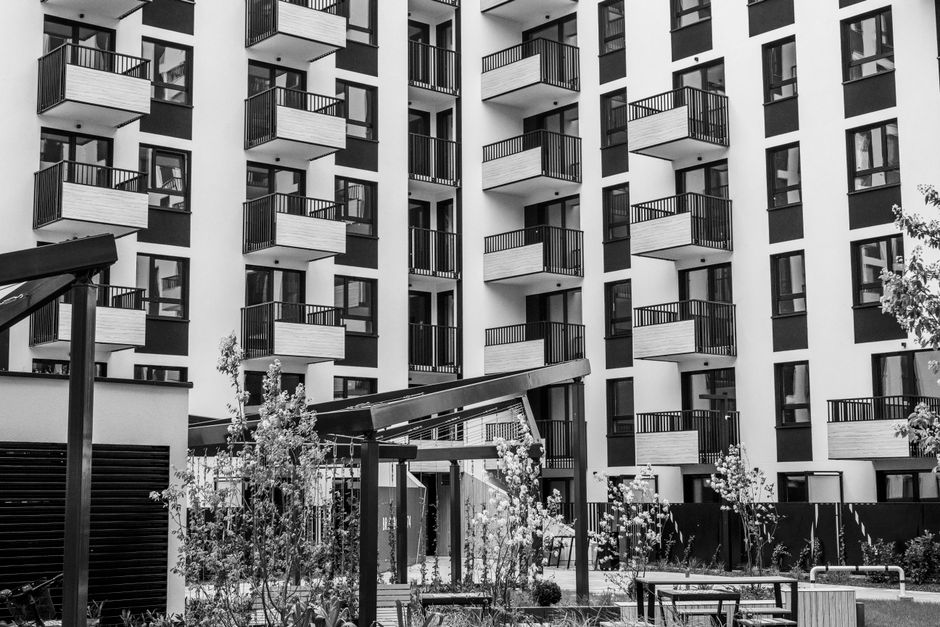
VA-approved condos have some flexibility that conventional loans don't. While some lenders want you to hold several months of mortgage payments in savings, your VA lender may be more lenient if the condo is VA-approved. This matters if you're a first-time buyer with limited savings—you might qualify for a condo purchase when a traditional lender would deny you due to insufficient reserves. Always verify your specific lender's policy, but VA condo rules tend to favor veterans.
#8: Surviving Spouses Can Use Unused Entitlement

If a veteran passes away and never used their VA loan benefit, the surviving spouse can inherit and use that full entitlement to purchase a home. This applies to spouses of service members who died on active duty or veterans who died from a service-connected disability. It's a benefit many widows and widowers don't know exists, yet it can provide the exact financial help they need during a difficult transition—a zero-down, no-PMI loan that can truly make a difference.
#9: Seller Concessions Can Cover All Your Closing Costs

With a VA loan, sellers can contribute up to 4% of the purchase price toward your closing costs—and unlike conventional loans, there's no cap on how much help you can get. If you're buying a $300,000 home and the seller agrees to cover closing costs, that's $12,000 in assistance you don't pay out of pocket. Savvy veterans negotiate this into every offer, making their VA loan even more powerful. Your real estate agent might not mention this, but it's absolutely standard in VA transactions.
Advertisement
#10: You Can Use Your Loan Multiple Times Simultaneously

Here's a mind-bender: you can have two VA loans active at the same time if you've restored your entitlement. For example, you could finance a rental property with one VA loan while purchasing your primary residence with another. This requires you to have enough available entitlement and meet the lender's underwriting standards, but it's an option most veterans never consider. It's particularly useful if you're building a real estate portfolio while maintaining your primary home.
#11: Your Funding Fee Can Be Rolled Into the Loan

The VA funding fee—typically 2.3% for first-time users—is paid upfront but doesn't have to come out of your pocket. You can roll it directly into your loan amount, which means you're financing it over 15 or 30 years instead of writing a check at closing. This preserves your cash for emergencies or down payment assistance on other investments. First-generation VA borrowers especially benefit because they often don't realize this is an option rather than a requirement to pay upfront.
#12: VA Appraisals Are Stricter (Which Protects You)

VA appraisers have tougher standards than conventional appraisers—the property must be safe, sanitary, and structurally sound. This might seem annoying if a deal falls through due to appraisal issues, but it's actually protecting you from buying a money pit. While conventional buyers sometimes overpay for problem properties, your VA loan won't approve a home with major defects. This 'inconvenience' often saves veterans from catastrophic home maintenance bills down the road.
Advertisement
#13: You Can Buy a Fixer-Upper (Sort Of)
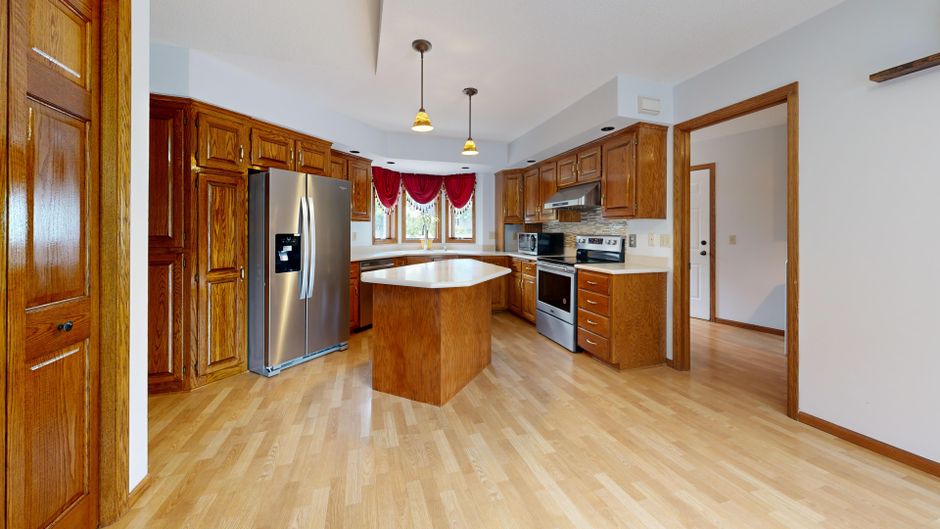
While VA loans typically won't finance a home that needs major repairs, you can purchase a fixer-upper that's in 'safe and sanitary' condition—meaning cosmetic updates are fine. The VA doesn't care if the kitchen is outdated or the paint is peeling, as long as the foundation, roof, and systems are sound. This opens up a whole category of affordable properties that conventional buyers might overlook, letting you build equity through sweat equity rather than overpaying for a turnkey home.
#14: Entitlement Can Be Restored Even If You Defaulted

If you defaulted on a previous VA loan but eventually made things right—through a loan modification, refinance, or even a short sale—your entitlement can still be restored. The VA doesn't punish you permanently like conventional lenders do. This gives veterans a genuine second chance if life circumstances forced them into financial hardship. You'll need to demonstrate you've resolved the issue, but the path to restoration exists and many vets never explore it because they assume they're permanently blacklisted.
#15: Your Spouse Can Be the Primary Borrower

You don't have to be the primary borrower on your own VA loan—your spouse can be, and many lenders prefer this if your spouse has better credit or income. Your VA entitlement still powers the deal with zero down and no PMI, but the application process might be smoother if your spouse takes the lead. This flexibility is especially valuable for military families where one spouse has stronger financials, yet many couples split the application work without realizing they could optimize who signs as the primary borrower.
Your VA loan benefit is far more versatile than most veterans realize. Understanding these 15 advantages could save you tens of thousands of dollars and unlock opportunities you didn't know existed.
Advertisement