
Hypoparathyroidism is a rare disorder that affects how your body regulates calcium and phosphorus—yet many people don't realize they have it until symptoms become serious. Understanding these 15 critical facts could help you catch warning signs early and protect your long-term health.
#1: It's Not Just Low Calcium

You might think hypoparathyroidism is simply about calcium deficiency, but it's actually a hormonal disorder where your parathyroid glands don't produce enough parathyroid hormone (PTH). This means your body struggles to regulate both calcium and phosphorus simultaneously. Without proper PTH levels, your kidneys can't activate vitamin D effectively, creating a cascade of metabolic problems that go way beyond a simple mineral imbalance.
#2: Genetic Mutations Play a Major Role

About 70% of hypoparathyroidism cases are inherited, passed down through families via genetic mutations. If you have a parent or sibling with the condition, your risk increases significantly. DiGeorge syndrome—a genetic condition affecting chromosome 22—is one common culprit. Knowing your family history isn't just trivia; it's actionable information that could prompt early screening and diagnosis before complications arise.
#3: Symptoms Can Hide for Years

You could have hypoparathyroidism and feel relatively normal for extended periods, especially if your calcium levels are only mildly low. Common early signs include muscle cramps, tingling in your fingers and lips, and fatigue—symptoms so vague they're easily blamed on stress or poor sleep. Some people don't receive a diagnosis until they experience a seizure or cardiac arrhythmia triggered by severely low calcium, which is why routine lab work matters.
Advertisement
#4: Tetany Is a Red Flag You Can't Ignore

Tetany—involuntary muscle contractions and spasms—is one of the most dramatic signs that your calcium has dropped dangerously low. Your muscles essentially misfire because calcium is essential for nerve-to-muscle signaling. If you experience sudden, uncontrollable muscle twitching or cramping, especially in your hands and face, that's your body sending an urgent distress signal that demands immediate medical attention.
#5: Hypocalcemia Can Trigger Heart Arrhythmias

You rely on calcium for your heart's electrical system to function properly. When calcium levels plummet, your heart's rhythm can become erratic, causing palpitations, dizziness, or even fainting spells. In severe cases, prolonged hypocalcemia can lead to life-threatening arrhythmias. This is why routine EKG monitoring becomes crucial for people diagnosed with hypoparathyroidism—your heart's safety depends on stable calcium levels.
#6: Vitamin D Activation Is Broken

Your kidneys normally convert vitamin D into its active form using PTH as a chemical signal. With hypoparathyroidism, this activation process fails, so you can't absorb calcium from food efficiently no matter how much you consume. You could eat calcium-rich foods all day and still remain deficient because your body simply can't process it. This is why supplementation strategy matters far more than diet alone.
Advertisement
#7: Subcutaneous Ossifications Form Over Time
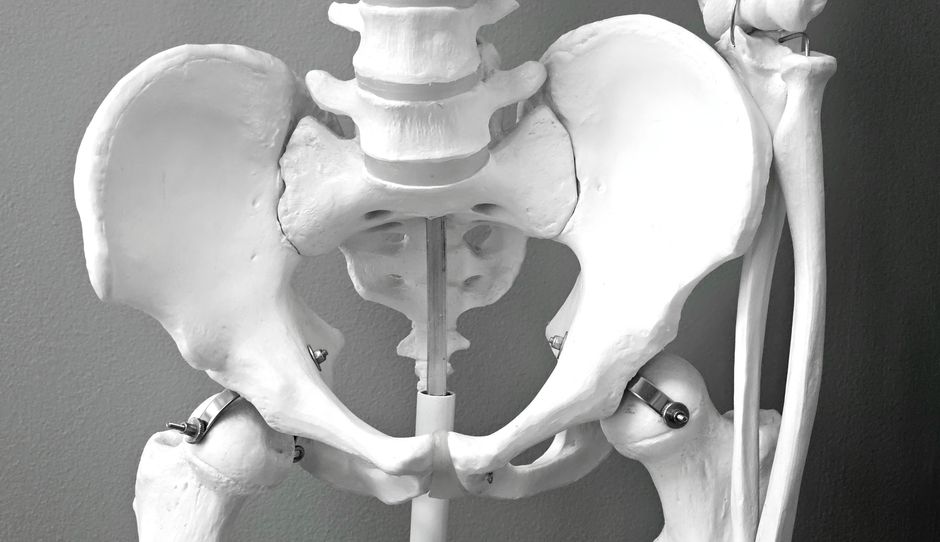
A unique danger of hypoparathyroidism is the development of subcutaneous ossifications—abnormal bone deposits forming beneath your skin. These appear as hard lumps or nodules, particularly around joints and in subcutaneous tissues. Over years, these can restrict movement and cause joint stiffness. You might notice these painless bumps and assume they're harmless, but they're actually a sign of severe, long-standing calcium-phosphorus imbalance.
#8: Seizure Risk Escalates Without Treatment

Severely low calcium directly lowers your seizure threshold, meaning your brain becomes hyper-excitable. You might experience generalized tonic-clonic seizures or focal seizures depending on calcium levels. What makes this particularly dangerous is that seizures can occur suddenly without warning, putting you at risk while driving, working at heights, or caring for children. Early diagnosis and calcium management are essential seizure-prevention strategies.
#9: Dental Problems Are Often the First Clue
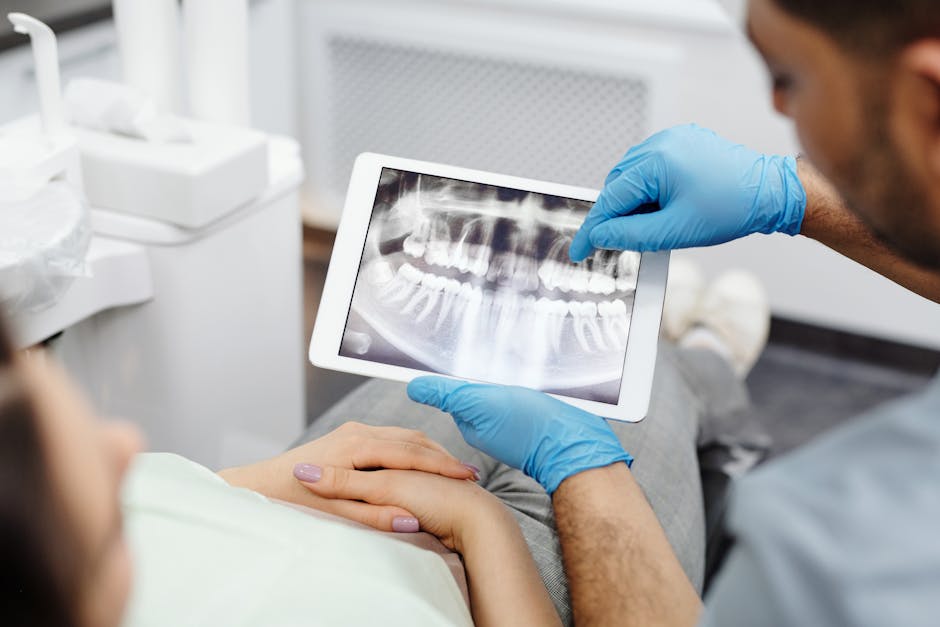
Your teeth developed before birth and during childhood using calcium to mineralize enamel. If you had hypoparathyroidism during those years, your teeth might show characteristic pitting, horizontal lines, or enamel hypoplasia—underdevelopment of the enamel layer. A pediatric dentist spotting these patterns can actually help diagnose hypoparathyroidism before other symptoms appear. Your smile might be telling doctors something crucial about your metabolic health.
Advertisement
#10: Pseudohypoparathyroidism Mimics the Condition

Here's where it gets confusing: pseudohypoparathyroidism (PHP) looks identical to hypoparathyroidism on paper—low calcium, high phosphorus, elevated PTH—but the problem isn't the parathyroid glands themselves. Your body's tissues simply don't respond to PTH properly. This matters enormously because treatment strategies differ. Misdiagnosis means you'll follow the wrong treatment protocol, wasting time and allowing complications to worsen.
#11: Hypomagnesemia Complicates Everything

You can't regulate calcium properly without adequate magnesium—your parathyroid glands require magnesium to function. Many people with hypoparathyroidism also have low magnesium, creating a vicious cycle: low magnesium makes your calcium harder to manage, and calcium-regulation drugs can deplete magnesium further. If you're on treatment but still experiencing symptoms, undiagnosed low magnesium might be the hidden culprit sabotaging your therapy.
#12: Medication Timing and Interactions Matter
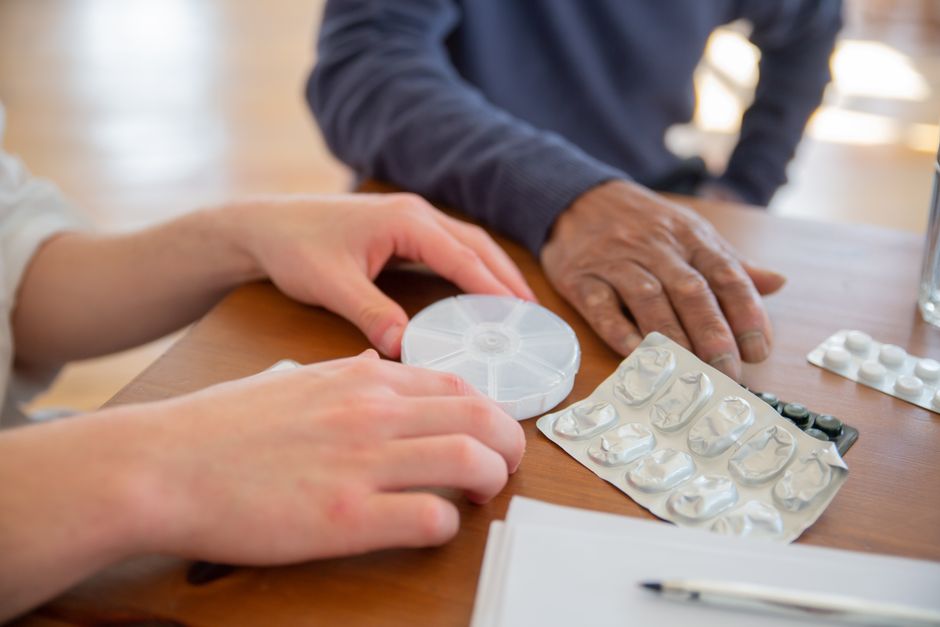
You can't just take calcium supplements whenever—timing is everything. Calcium needs an acidic environment to absorb, so taking it with antacids blocks absorption. Certain antibiotics and bisphosphonates bind to calcium, preventing your body from using it. If you're on multiple medications, your supplement routine could be rendered useless by unfortunate timing or drug interactions. Working with a specialist to coordinate medication schedules is essential.
Advertisement
#13: Kidney Stones Become a Real Threat
The calcium and phosphorus imbalances in hypoparathyroidism create conditions ripe for kidney stone formation. You're essentially storing excess minerals in your urinary tract that your kidneys can't properly regulate. The pain of passing a kidney stone is famously severe, and recurrent stones can damage kidney function over time. Staying well-hydrated and monitoring mineral levels helps prevent this painful complication.
#14: Mental Health Symptoms Often Go Unrecognized

Low calcium affects your brain chemistry and nervous system, not just your muscles. You might experience anxiety, depression, irritability, or mood swings that seem completely disconnected from a mineral deficiency. Some patients describe "brain fog" or difficulty concentrating. Because these psychological symptoms appear separate from physical signs, they're often treated as psychiatric issues rather than recognized as metabolic in origin, delaying proper diagnosis.
#15: Lifelong Monitoring Is Non-Negotiable

Hypoparathyroidism requires vigilant, ongoing management throughout your life—you can't simply achieve stable calcium levels and then stop checking. Medication needs shift with age, pregnancy, illness, and dietary changes. Your bones gradually weaken from the condition's long-term effects, increasing fracture risk. Regular blood work, imaging studies, and specialist follow-ups aren't optional; they're your defense against complications that could silently accumulate over decades.
Hypoparathyroidism is manageable when diagnosed early and monitored consistently, but missing these warning signs can lead to serious complications. If any of these facts resonate with your symptoms or family history, discussing screening with your doctor is a crucial first step.
Advertisement