
Why Do Cars Have These Features? Test Your Knowledge
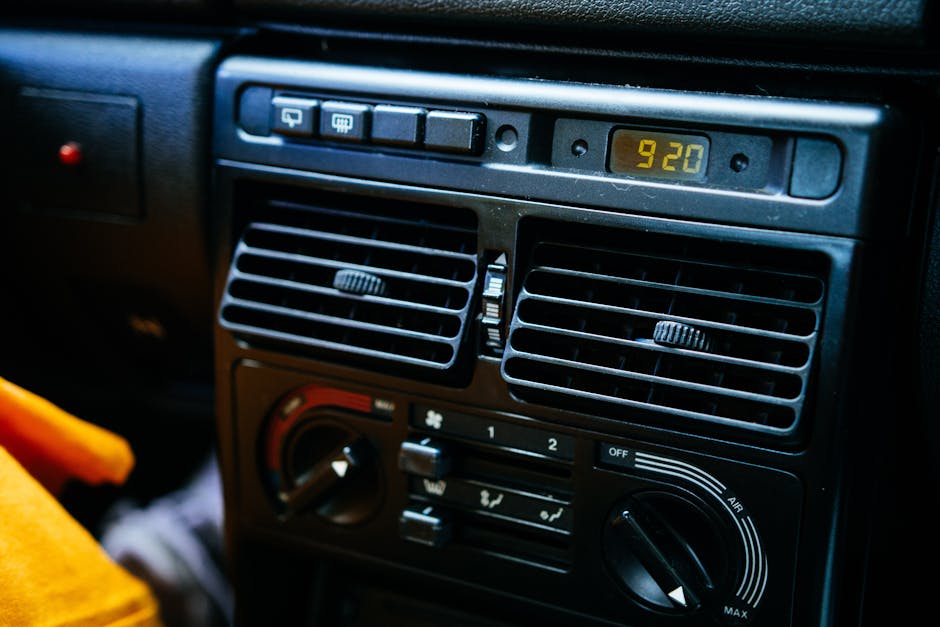
You drive every day—but do you know WHY your car is built the way it is?
11 questions
0%
Congrats, you finished!
Here is your result:
0/0
1. Why are car dashboards typically black or dark-colored rather than white?
To reduce glare and reflections on the windshield — Dark dashboards minimize light reflection off the windshield, which improves visibility and reduces driver distraction and eye strain during daylight driving.
2. What is the purpose of the small rubber nub on the inside of car door frames?
To cushion the door when it reaches full opening — This bumper stops the door panel from swinging too far and hitting the car body, which prevents damage to both the door and adjacent panels.
3. Why do some cars have a second, dimmer speedometer needle or digital display?
To indicate the average speed since the last engine restart — The secondary display tracks average speed over a journey, allowing drivers to monitor fuel efficiency and driving consistency without taking their eyes off the road.
4. What is the real reason car headrests have a gap between the head and the rest itself?
To allow the head to break through in a rear-end collision — The gap is intentional—in a rear-end crash, the head must move forward past the rest initially before the rest catches up, reducing whiplash injury.
5. Why do car manufacturers often paint the underside of vehicles with a colored coating?
To protect metal from rust and road salt corrosion — Undercoating protects the vehicle's frame and suspension components from rust caused by road salt, moisture, and environmental contaminants, extending the car's lifespan.
6. What is the purpose of the small metal tab on the inside of your fuel door?
To hold the fuel cap in place when refueling — This tether keeps the fuel cap attached to the door so it won't roll away or get lost, a design requirement adopted industry-wide in the 1990s.
7. Why are turn signal lights positioned slightly forward of the rear wheels on most vehicles?
To align with the vehicle's actual pivot point during turns — Signals are placed near the widest part of the vehicle because that's where the rear overhang extends furthest during a turn, maximizing visibility of the turn direction.
8. What is the real function of the small vent hole in the bottom corner of car door windows?
To drain rainwater that seeps into the door frame — This weep hole lets water accumulated inside the door from seals or rain drain safely out, preventing rust and corrosion of internal door components.
9. Why do many luxury and modern cars have a slight curve or ridge running along the side body panel?
To add structural rigidity without adding weight to the frame — This feature, called a character line, acts as a beam that reinforces the vehicle's body structure, allowing manufacturers to use thinner, lighter materials elsewhere.
10. What is the purpose of the painted line or groove running down the center of many car roof panels?
To reinforce the roof structure and improve crash safety — The center seam or reinforcement beam distributes crash forces evenly across the roof and improves rigidity without adding significant weight to the vehicle.
11. Why are some car mirrors designed to fold inward when the vehicle is parked?
To protect the mirrors from damage in tight parking spaces — Folding mirrors prevent accidental damage when parking in narrow spaces or tight garages, saving costly repairs and maintaining safety by protecting the mirror glass and motors.
Our quizzes are for entertainment purposes only. Scores may vary.
Advertisement