
While major recalls dominate the headlines, some of the most dangerous SUV defects slip under the radar—putting you and your family at risk without your knowledge. Here are seven critical recalls that should've gotten more attention but didn't.
#1: Ford Explorer Rear Seat Fire Risk
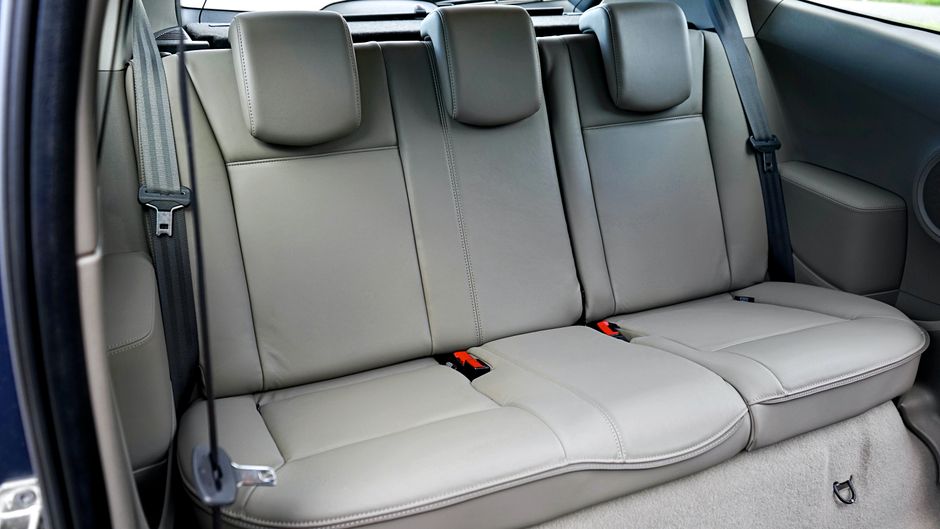
You might not realize your Ford Explorer's rear seat could catch fire without warning. In 2015, Ford recalled over 1.4 million Explorers because the rear seat backs could detach during a crash, allowing seat occupants to fall through and potentially contact the fuel tank. The metal hinge mechanism failed due to inadequate welds, creating both collision hazards and fire risks that owners rarely heard about despite affecting multiple model years.
#2: Jeep Wrangler Fuel Tank Rupture
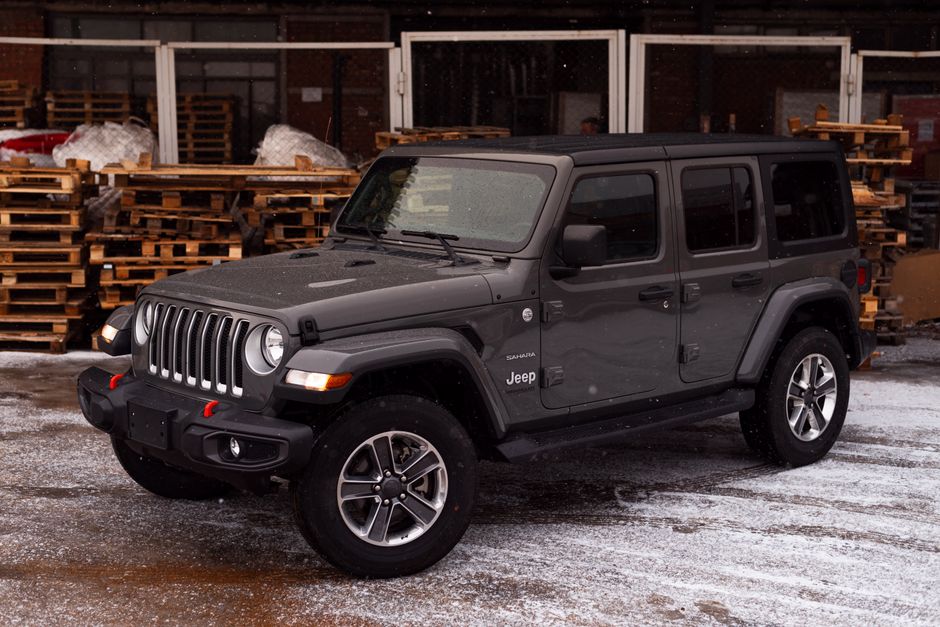
Your Jeep Wrangler's fuel tank location puts you in danger during rear-end collisions. Jeep recalled nearly 900,000 Wranglers because the fuel tank was positioned too close to the rear axle, causing ruptures in moderate crashes that other vehicles would handle safely. This design flaw went unaddressed for years, with owners unknowingly driving vehicles prone to post-collision fires that could have been prevented with better engineering.
#3: Honda Pilot Airbag Deployment Failure
If you're in an older Honda Pilot, your airbags might not deploy when you need them most. Honda issued a massive recall affecting millions of Pilots because the airbag control module could fail, preventing frontal airbags from inflating during crashes. The defect stemmed from a capacitor issue that manufacturers didn't widely publicize, leaving owners unaware their primary safety system could be completely non-functional.
Advertisement
#4: Toyota 4Runner Panoramic Roof Collapse

Your Toyota 4Runner's panoramic roof could collapse inward without warning. Toyota recalled certain 4Runner models because the roof panel could detach and fall into the cabin while driving, creating a serious safety hazard. The adhesive bonding the glass panel failed prematurely in some units, and despite affecting a respected model, the recall received minimal media coverage compared to the actual risk to occupants.
#5: Chevrolet Traverse Seat Belt Latching Defect

You might buckle up thinking you're safe, but your Chevy Traverse's seat belt could fail to lock during a crash. General Motors recalled over 3 million Traverses because the seat belt latch mechanism could unlatch during sudden stops or collisions, defeating the entire purpose of wearing it. This fundamental safety failure went largely unnoticed despite affecting multiple generations and model years of one of GM's most popular family vehicles.
#6: Nissan Rogue Panoramic Sunroof Shattering
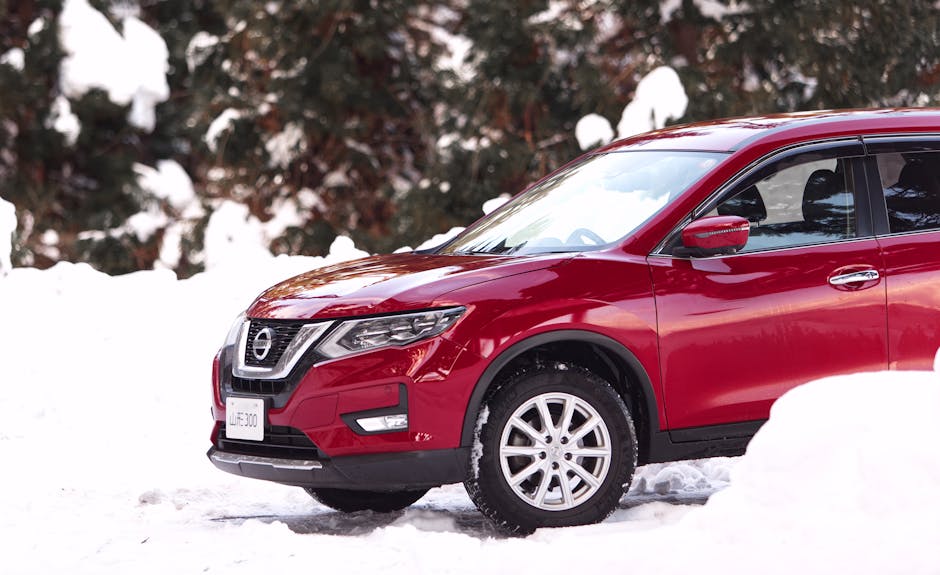
If you own a Nissan Rogue with a panoramic sunroof, you're at risk of sudden glass shattering while driving. Nissan recalled thousands of Rogues because the roof glass spontaneously cracked and shattered due to manufacturing defects and thermal stress. Glass shards could spray into the cabin or onto following vehicles, yet this defect remained largely unknown outside owner forums, affecting families who were never warned.
Advertisement
#7: Hyundai Santa Fe Brake Failure in Cold Weather
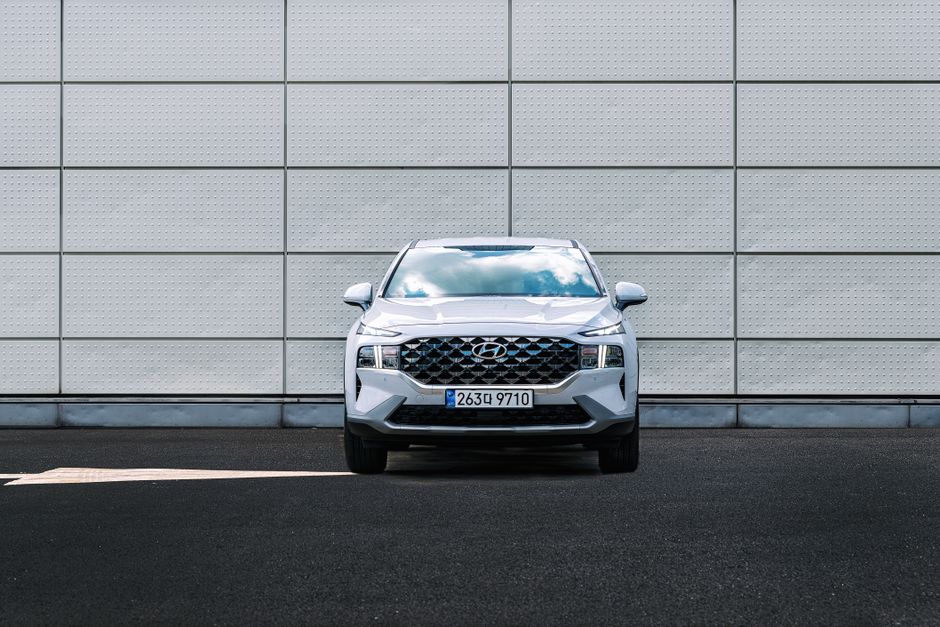
Your Hyundai Santa Fe's brakes could fail specifically when temperatures drop below freezing. Hyundai recalled over 400,000 Santa Fes because moisture could accumulate in the brake fluid lines and freeze, causing complete brake failure in cold climates. This seasonal defect meant owners in northern regions faced unpredictable stopping power during winter months, yet the recall received minimal national attention despite serious crash potential.
These recalls prove that major safety defects don't always make mainstream news—staying informed means checking your VIN against NHTSA records, not just watching for headlines.
Advertisement