
Moving can be physically and emotionally taxing at any age, but seniors face unique challenges that often go overlooked. Discover specialized resources, services, and support options designed to make relocation easier, safer, and less stressful for older adults.
#1: Senior-Specific Moving Companies
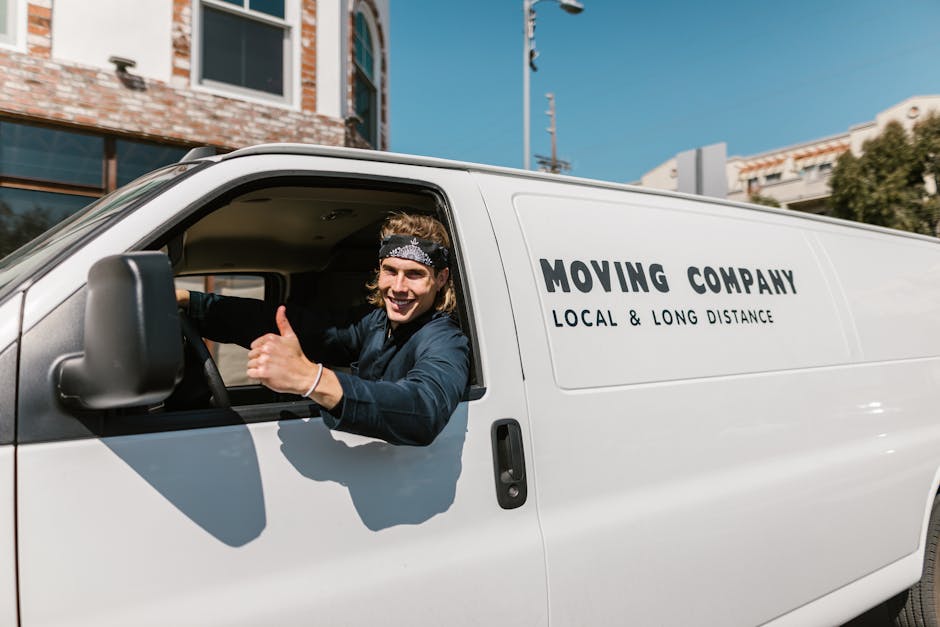
Some moving companies specialize exclusively in senior relocations and understand the unique needs of older adults. These movers are trained to handle fragile collections, work at a slower pace, and provide extra care for sentimental items. They often offer services like packing, unpacking, furniture arrangement, and even helping you downsize before the move. Companies like Senior Move Managers have certified professionals who treat your belongings and feelings with sensitivity.
#2: Area Agencies on Aging Resources

Your local Area Agency on Aging (AAA) is a goldmine of relocation support. These government-funded organizations can connect you with affordable moving services, financial assistance programs, and volunteer help. They often maintain lists of vetted senior movers, can help you navigate Medicare-friendly housing options, and may offer grants or low-interest loans for moving costs. Contact your state's AAA to learn what's available in your region.
#3: Volunteer Organizations and Faith Communities

Churches, synagogues, temples, and community volunteer organizations frequently organize moving assistance for seniors as part of their service mission. Groups like United Way and Habitat for Humanity sometimes help with senior moves, and many local churches have dedicated volunteer teams. You can reach out directly to houses of worship in your area or contact volunteer coordinators who can match you with trustworthy helpers willing to donate their time.
Advertisement
#4: Medicare-Approved Moving Benefits

While Medicare doesn't directly pay for moving costs, some Medicare Advantage plans and supplemental insurance policies include moving or relocation benefits as part of their wellness programs. Review your current coverage or speak with a Medicare counselor about plans that specifically cover moves to senior communities or assisted living facilities. This is often overlooked, but could save you thousands of dollars if your policy includes it.
#5: Downsizing and Estate Sale Services

Before moving, you might have decades of accumulated possessions to sort through. Professional downsizing specialists work with seniors to decide what to keep, donate, or sell. Estate sale companies liquidate items you no longer need, and the proceeds can offset moving costs. Services like Senior Move Managers or local estate sale companies handle the emotional weight of letting go while finding homes for cherished items.
#6: Subsidized Senior Living Communities

If you're moving to a senior community, some facilities offer relocation assistance or waived fees for new residents. Communities funded by HUD (Housing and Urban Development) or state programs often include move-in support. When evaluating senior living options, ask specifically about moving assistance, setup services, and whether they help coordinate logistics like utility transfers and address changes.
Advertisement
#7: Adult Children Coordination Services

If your adult children live out of state or are too busy to manage logistics, companies like Senior Move Managers or Caring.com can act as a single point of contact between you and multiple service providers. They coordinate everything from movers to contractors, allowing family members to stay informed without handling details themselves. This reduces stress on everyone involved and ensures nothing falls through the cracks.
#8: Transportation Services for Personal Items

You don't have to move everything at once. Senior transportation services and medical logistics companies can safely transport your car, wheelchair-accessible mobility items, or important belongings on a schedule that works for you. Some services specialize in moving seniors gradually, allowing time to adjust to your new home. This is especially helpful if you're moving between states over several weeks.
#9: Utility Setup and Tech Installation Help

Moving day is only part of the challenge—you also need utilities connected and technology set up at your new home. Some senior centers and libraries offer free tech help, and companies like Best Buy's Geek Squad offer senior-friendly installation services for internet, phones, and smart home devices. Many utility companies will also send representatives to help seniors understand their new systems.
Advertisement
#10: Veterans Moving Benefits

If you're a military veteran, you may qualify for relocation assistance through the VA or veteran-specific organizations like AARP Veterans Initiative. Some states offer property tax exemptions or moving subsidies for veterans. Contact your local VA office or a veterans service organization to explore whether you're eligible for grants, low-cost moving services, or housing programs that include relocation support.
#11: Home Modification and Accessibility Services

Moving is the perfect time to ensure your new home supports your mobility needs. Occupational therapists and aging-in-place specialists can assess your home and recommend modifications like grab bars, ramps, or accessible bathroom fixtures. Some insurance plans and state aging programs cover these costs. Addressing accessibility during the move prevents costly renovations later and keeps you safe.
#12: Social Services Relocation Planning

Social workers at local senior centers and hospitals can help you plan a move that connects you to new healthcare providers, social opportunities, and community resources in your destination city. They can identify senior centers, transportation options, meal programs, and social clubs near your new home. This wraparound planning ensures you stay connected and engaged after relocating.
Advertisement
#13: Insurance Policy Transfer Assistance

Relocating often requires updating insurance policies, including homeowners, auto, and supplemental coverage. Some insurance agents offer free consultations to help seniors navigate these changes, and many will process updates and ensure you're not left unprotected during your move. Contact your insurance provider early to understand what coverage changes are needed based on your new location and housing type.
#14: Donation and Recycling Pickup Services

Organizations like Goodwill, The Salvation Army, and Planet Aid offer free or low-cost pickup services for donations during your move. Junk removal companies and recycling services can haul away items you don't want to keep, often for reasonable fees. These services handle the heavy lifting of getting rid of belongings and ensure items are recycled responsibly rather than ending up in landfills.
#15: Moving Day Buddy Programs

Many senior centers and community organizations pair volunteers or paid companions with seniors on moving day for emotional support and practical help. These buddies assist with decision-making, stay to ensure your comfort in the new home, and help you unpack essentials. Having a familiar face during the chaos of moving day reduces anxiety and makes the transition feel less overwhelming.
Moving as a senior doesn't have to be a solo endeavor—numerous resources, services, and compassionate helpers exist specifically to support you. Start by reaching out to your local Area Agency on Aging to discover which options are available in your community.
Advertisement