
Bank-owned rural properties often sell for a fraction of market value, but most buyers never find them. We've uncovered eight unconventional channels where you can discover these hidden gems before they hit mainstream listings.
#1: County Courthouse Auction Archives

Your local courthouse publishes foreclosure sales online, and rural properties frequently appear here at deep discounts. You can search past auctions to identify patterns and spot properties that didn't sell, then contact the lenders directly. For example, a 50-acre farmstead in rural Ohio might appear on the courthouse steps for $80,000 when comparable acreage sells for triple that amount online.
#2: Regional Bank Asset Management Departments

Smaller regional banks handle their own REO (real estate owned) portfolios instead of hiring national firms, which means less competition and more room to negotiate. Call the loan loss mitigation team directly at banks headquartered in the county you're targeting. A community bank in rural Kansas might have three cabins and acreage in their portfolio that never gets advertised outside their service area.
#3: USDA Rural Development Property Lists

The USDA maintains databases of foreclosed properties in rural areas where they've issued loans. These lists are updated quarterly and often include land with infrastructure already in place. You might discover a 20-acre parcel with water and electric access in rural Arkansas listed at significantly below appraised value through this government channel.
Advertisement
#4: Fannie Mae and Freddie Mac Direct Portals
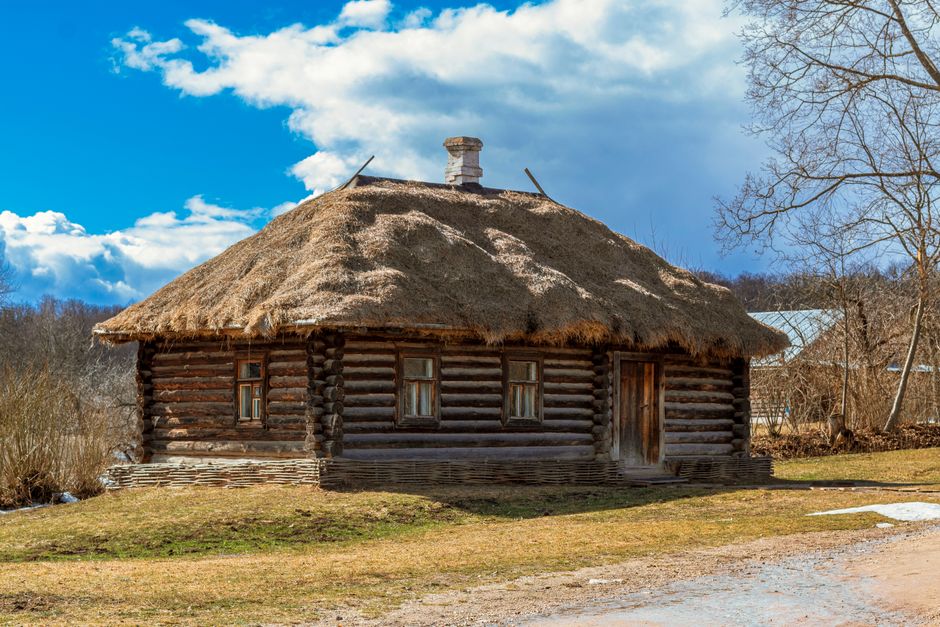
Both mortgage giants run dedicated auction platforms for their acquired properties, and rural inventory regularly underperforms urban markets. You can filter by county and property type, bypassing traditional real estate agents entirely. A bank-owned homestead with outbuildings in rural Missouri might linger on these platforms long enough for you to submit a competitive offer without bidding wars.
#5: Native American Tribal Land Databases
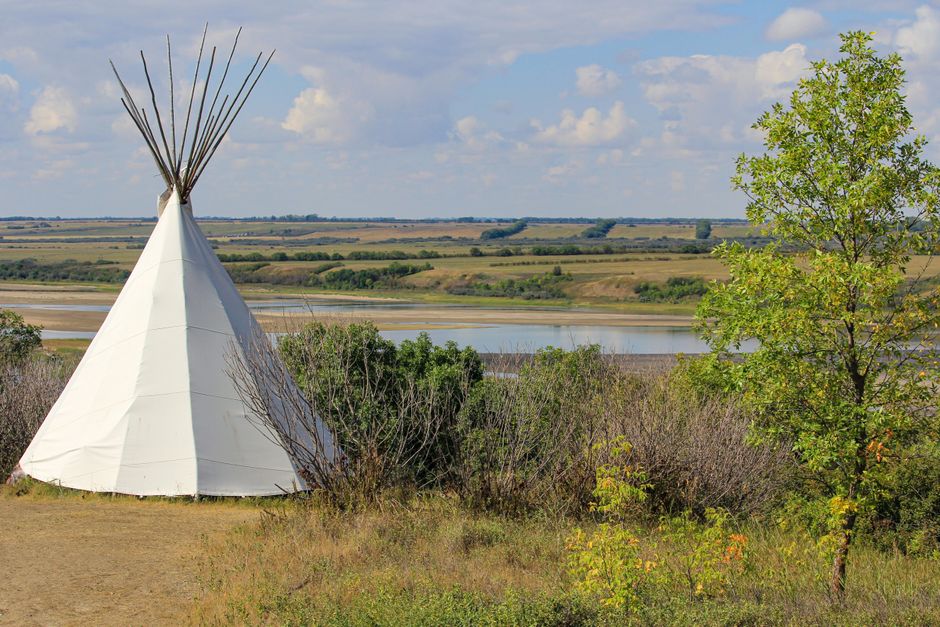
Tribal nations maintain their own property records and foreclosure sales, which operate outside standard real estate channels. Contact tribal government offices directly to inquire about available properties—these deals rarely reach national markets. You could find a multi-acre rural property on tribal land in Oklahoma or South Dakota with minimal competition and flexible financing terms.
#6: Railroad and Utility Company Land Auctions

Railroads and utility companies frequently divest rural parcels adjacent to their right-of-way holdings, and these auctions are publicized locally rather than nationally. Monitor company websites and county deed records to catch these sales windows. A 30-acre parcel in rural Pennsylvania might sell through Norfolk Southern's asset liquidation program at auction for a fraction of what a traditional MLS listing would fetch.
Advertisement
#7: State Housing Finance Authority Listings

Many states operate housing finance agencies that acquire and auction foreclosed rural properties to support community development. These programs often include below-market financing options alongside discounted purchase prices. You might discover a distressed farmhouse with 15 acres in rural Vermont through your state's housing authority, complete with favorable loan terms unavailable through conventional lenders.
#8: Bank Liquidation Company Secondary Markets

When banks fail or consolidate, their REO departments auction remaining inventory to liquidation companies in bulk—these companies then resell at deep discounts to clear space. Monitor failed bank announcements and check liquidation firm websites monthly. A portfolio of three rural parcels in rural Georgia might sell as a package deal through a bank liquidation auction for 40% below individual market values.
These eight channels bypass traditional real estate markets entirely, giving you first access to bank-owned rural deals before competition arrives. Start researching your target county today—opportunities are waiting in plain sight.
Advertisement