
You probably drink at least one of these every single day without realizing the hidden sodium and sugar they're adding to your system. Cardiologists have now flagged eight everyday beverages that are quietly pushing your blood pressure into dangerous territory—and most people have no idea they're doing damage.
#1: Canned Tomato Juice

You might think tomato juice is a healthy choice, but canned versions pack surprising amounts of sodium—often 400-500mg per eight-ounce serving. When you drink a full can thinking you're getting vitamins and minerals, you're actually consuming nearly a quarter of your daily sodium limit in one sitting. This excess salt causes your blood vessels to retain fluid, forcing your heart to work harder and pushing your blood pressure up over time.
#2: Energy Drinks
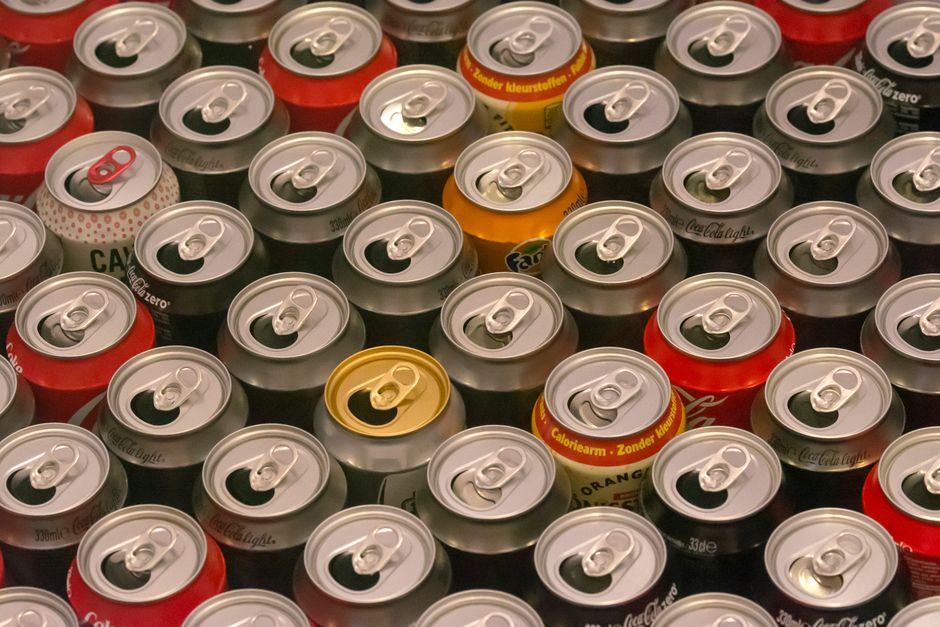
These brightly colored beverages combine three blood-pressure troublemakers: high sugar, caffeine, and sometimes added sodium. A single 16-ounce energy drink can contain 200+ mg of caffeine and 50+ grams of sugar, both of which spike your blood pressure temporarily but can cause chronic elevation with regular consumption. If you're reaching for these multiple times a week, you're essentially conditioning your cardiovascular system to stay in a heightened state.
#3: Sports Drinks
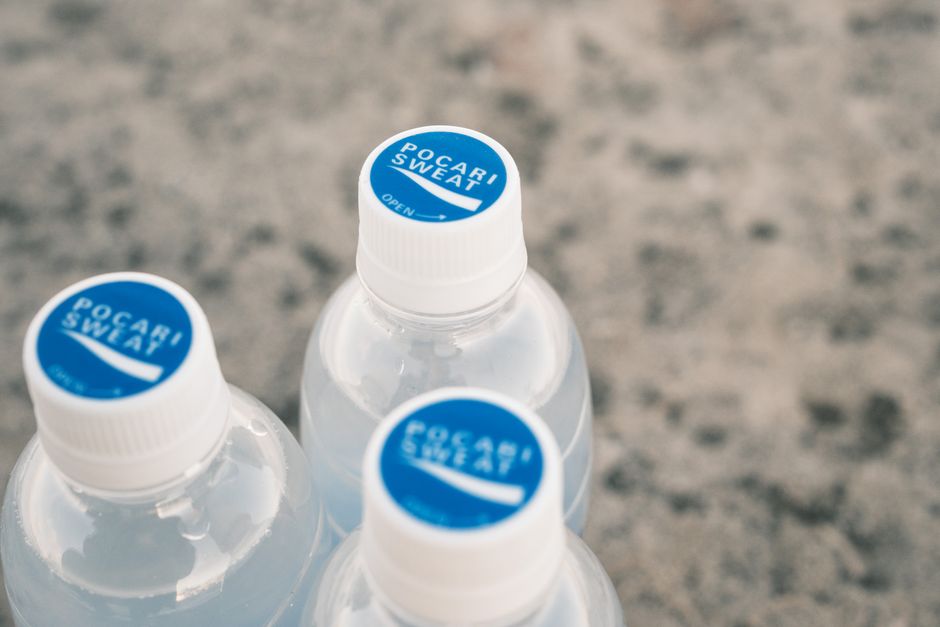
Sports beverages were designed for athletic performance, but most people consume them while sitting on the couch. A typical 20-ounce bottle contains 270-290mg of sodium and 30+ grams of sugar—a combination that dehydrates your cells and forces your kidneys to work overtime regulating fluid balance. This metabolic stress directly translates to elevated blood pressure readings, especially if you're drinking them daily instead of just after genuine physical exertion.
Advertisement
#4: Coconut Water
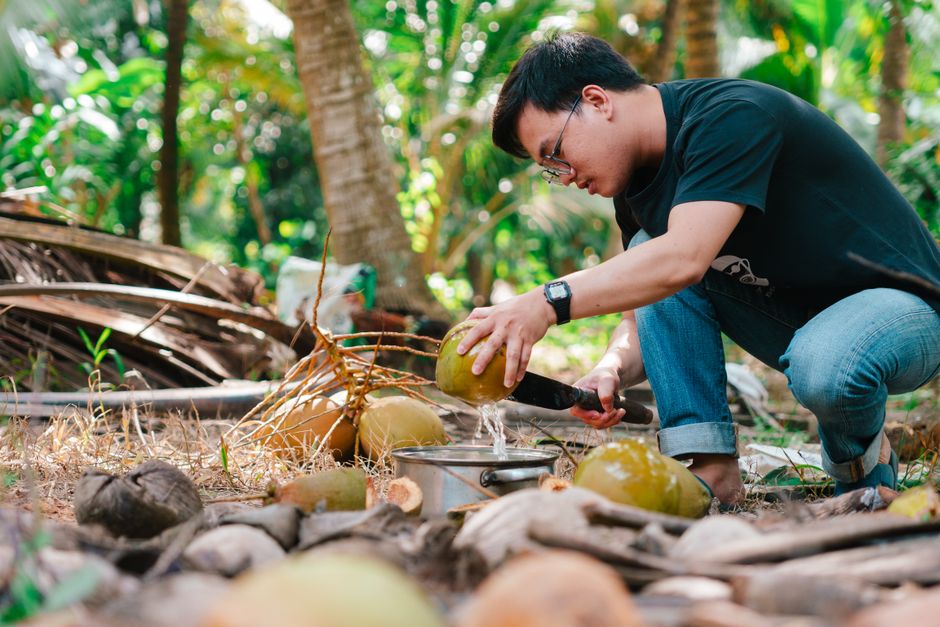
Despite its health halo, commercial coconut water often contains added sodium for flavor and preservation—sometimes 200mg or more per serving. While coconut water does provide potassium (which can help blood pressure), the sodium addition frequently cancels out those benefits. You're better off choosing unsweetened versions or fresh coconut water if you're trying to protect your cardiovascular health.
#5: Sweetened Tea Beverages
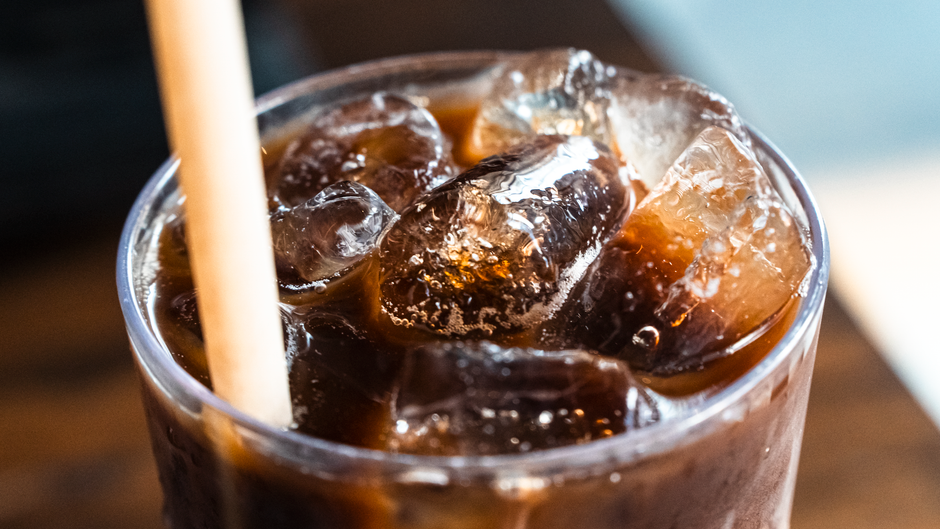
Bottled iced teas marketed as "natural" or "real tea" often contain as much sugar as soda—sometimes 30-40 grams per bottle. The combination of high sugar and caffeine increases blood vessel stiffness and inflammation, making your blood pressure harder to control. Brewing your own unsweetened tea at home gives you the antioxidant benefits without the sugar crash that stresses your cardiovascular system.
#6: Vegetable Cocktail Mixers

Drinks marketed as V8 or similar vegetable juice blends often contain 650-940mg of sodium per eight-ounce serving—sometimes more than a bag of potato chips. You might be drinking one assuming it's nutritious, but you're consuming nearly 40% of your recommended daily sodium in a single glass. Over weeks and months, this consistent sodium overload keeps your blood pressure chronically elevated.
Advertisement
#7: Flavored Milk Drinks

Chocolate milk, strawberry milk, and other flavored milk beverages contain added sugar that spikes insulin levels and causes temporary blood pressure spikes. A single serving can have 20-30 grams of sugar, plus sodium from added ingredients. While milk itself contains potassium (beneficial for blood pressure), the added sugar and processing eliminate most nutritional advantages for your heart.
#8: Kombucha

Though kombucha is trendy and fermented, store-bought versions often contain 5-15 grams of added sugar per bottle and sometimes surprising amounts of sodium from flavorings. Some brands add salt intentionally for taste, pushing sodium content to 200mg per serving. The sugar content is particularly problematic because it promotes weight gain and inflammation—two major drivers of hypertension.
The good news? Switching to water, unsweetened tea, or plain sparkling water can reverse these effects within weeks. Start checking labels on your favorite beverages today—you might be shocked at what you've been consuming.
Advertisement